Autumn is when boutique owners, online sellers and private-label buyers lock in spring–summer 2027 orders. Here is what moved in October and how it affects sourcing women's apparel from China.
September exports: the strongest month this year
According to China's General Administration of Customs, garment and clothing accessory exports reached US$15.42 billion in September 2026, up 23.9% year on year. Textiles (yarn, fabrics and made-ups) added US$14.24 billion, up 19.0%, bringing combined textile and apparel exports to US$29.66 billion, up 21.5%. For January–September, garment exports totalled US$120.69 billion, up 4.8% — compared with 2.5% after August. In RMB terms, year-to-date garment exports are roughly flat (+0.4%), so exchange rates are still shaping factory margins.
For buyers, strong September shipments mean factory lines are filling up for Q4. If you want SS27 samples approved before Chinese New Year, send RFQs and tech packs in the next few weeks.
Canton Fair Phase 3: October 31 – November 4
The consumer-goods phase of the 140th Canton Fair runs from October 31 to November 4 in Guangzhou. Men's and women's clothing is in Area A, Halls 1.1–5.1; sports and casual wear in Halls 6.1 and 7.1; underwear in Hall 8.1; textile fabrics in Area C. Even if you are not attending, suppliers finalise new collections and price lists around the fair, so early November is a good time to request updated catalogues.
US duties: how the stack works now
US duties on Chinese apparel changed shape in 2026. IEEPA tariffs, including the China fentanyl duty, ended on February 24, and the temporary 10% Section 122 surcharge expired on July 24. From July 24, a new Section 301 duty of 12.5% applies to products of China, on top of the older 7.5% Section 301 duty that covers most apparel — and USTR confirmed on October 6 that the older actions remain in effect. On a cotton knit T-shirt (HTS 6109.10.00, 16.5% base rate), that adds up to about 36.5%. Low-value parcels no longer enter duty-free either, because the US de minimis exemption remains suspended. Before pricing a season, confirm the 10-digit HTS code for each style.
EU: product identifiers from November 1
A reminder for EU customers: since July 1, low-value distance sales into the EU pay a flat €3 duty per item, and from November 1, 2026 product identifiers become mandatory on those declarations. Consolidated B2B shipments, cleared as regular imports, remain the simpler route for resellers.
What to do this quarter
- Lock SS27 capsule styles and sample approvals before December.
- Ask for suggested HTS codes and fibre composition on every quote, so you can model US and EU duty early.
- Consolidate orders into fewer, larger shipments rather than individual parcels.
- Reorder winners quickly: mixed colours and sizes keep inventory risk low.
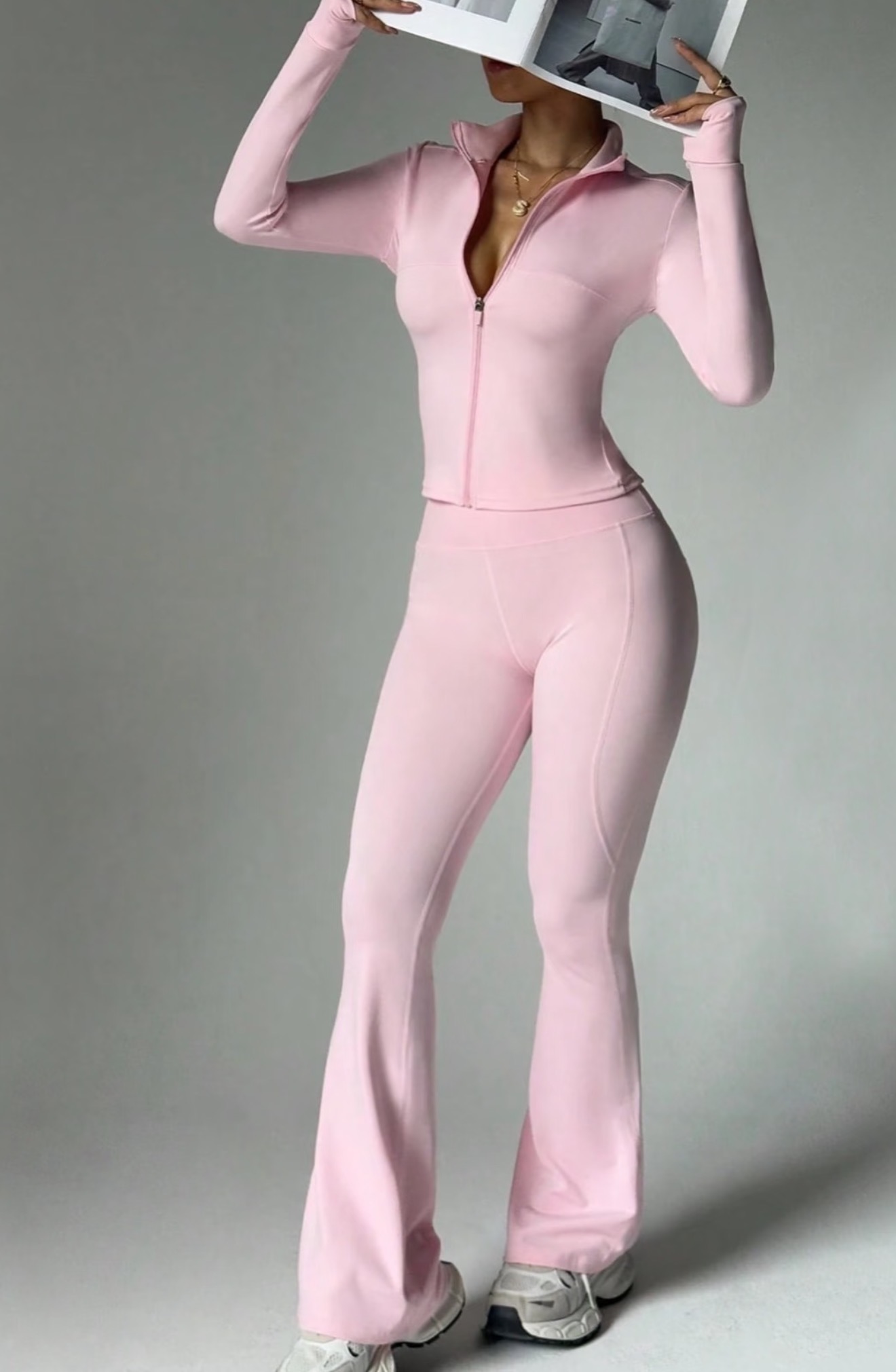
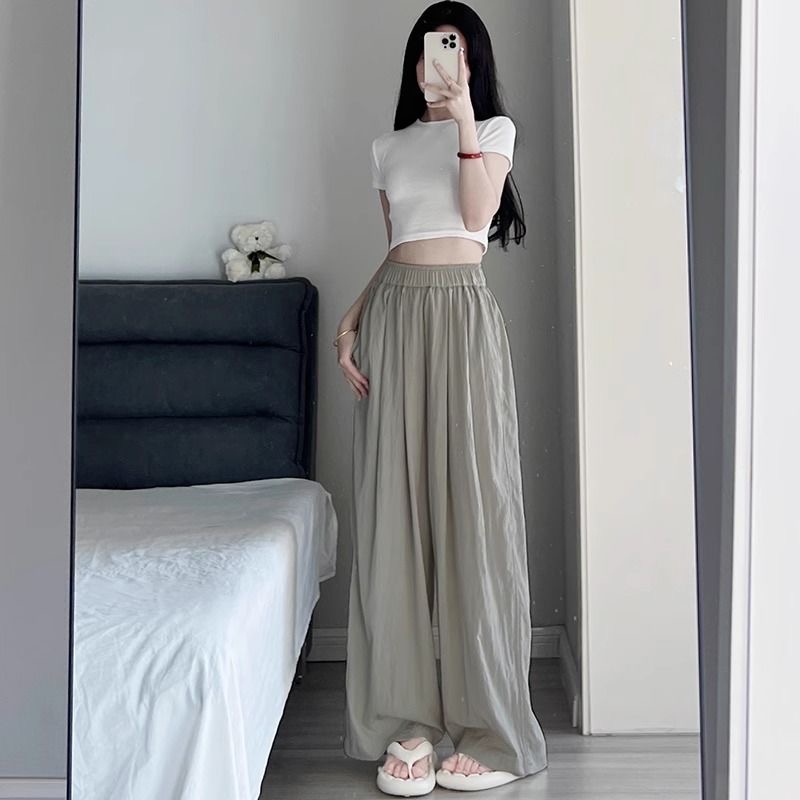
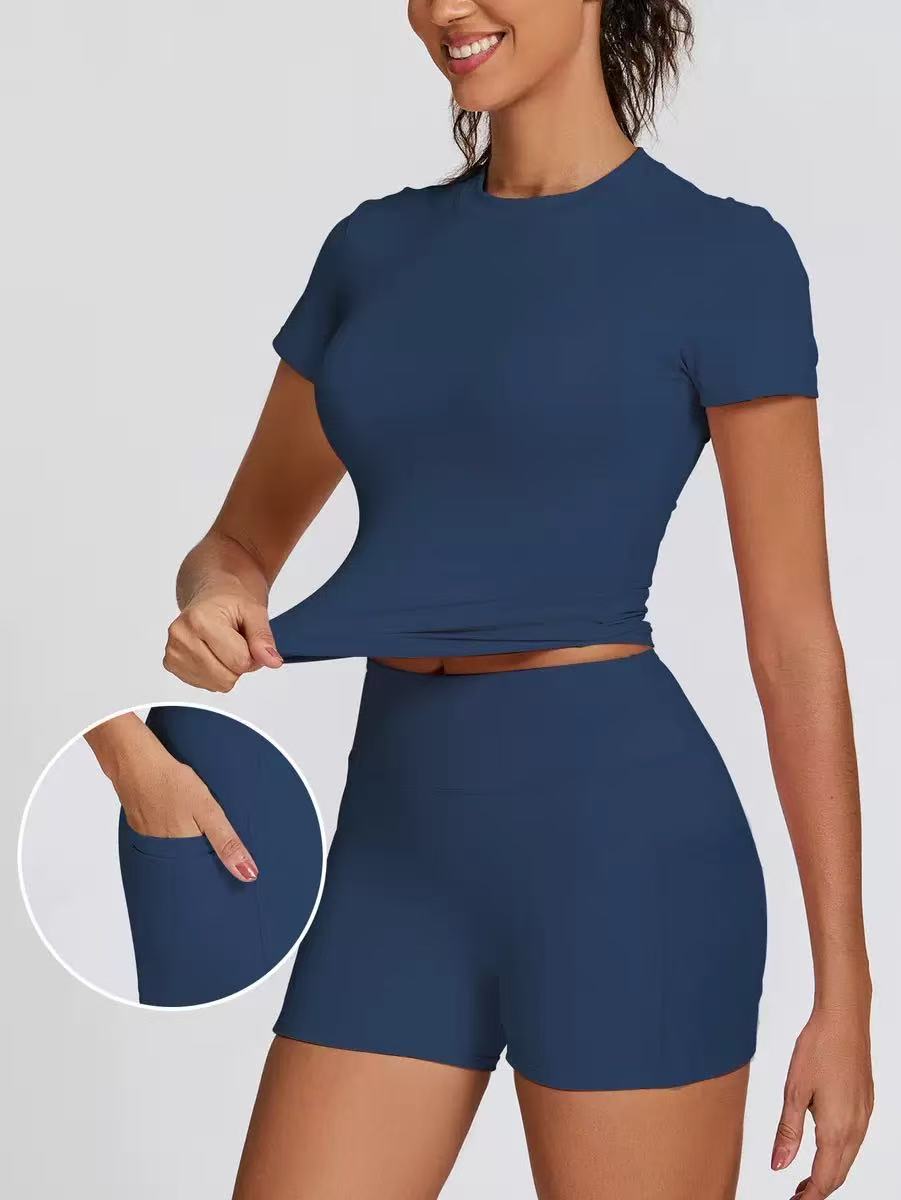
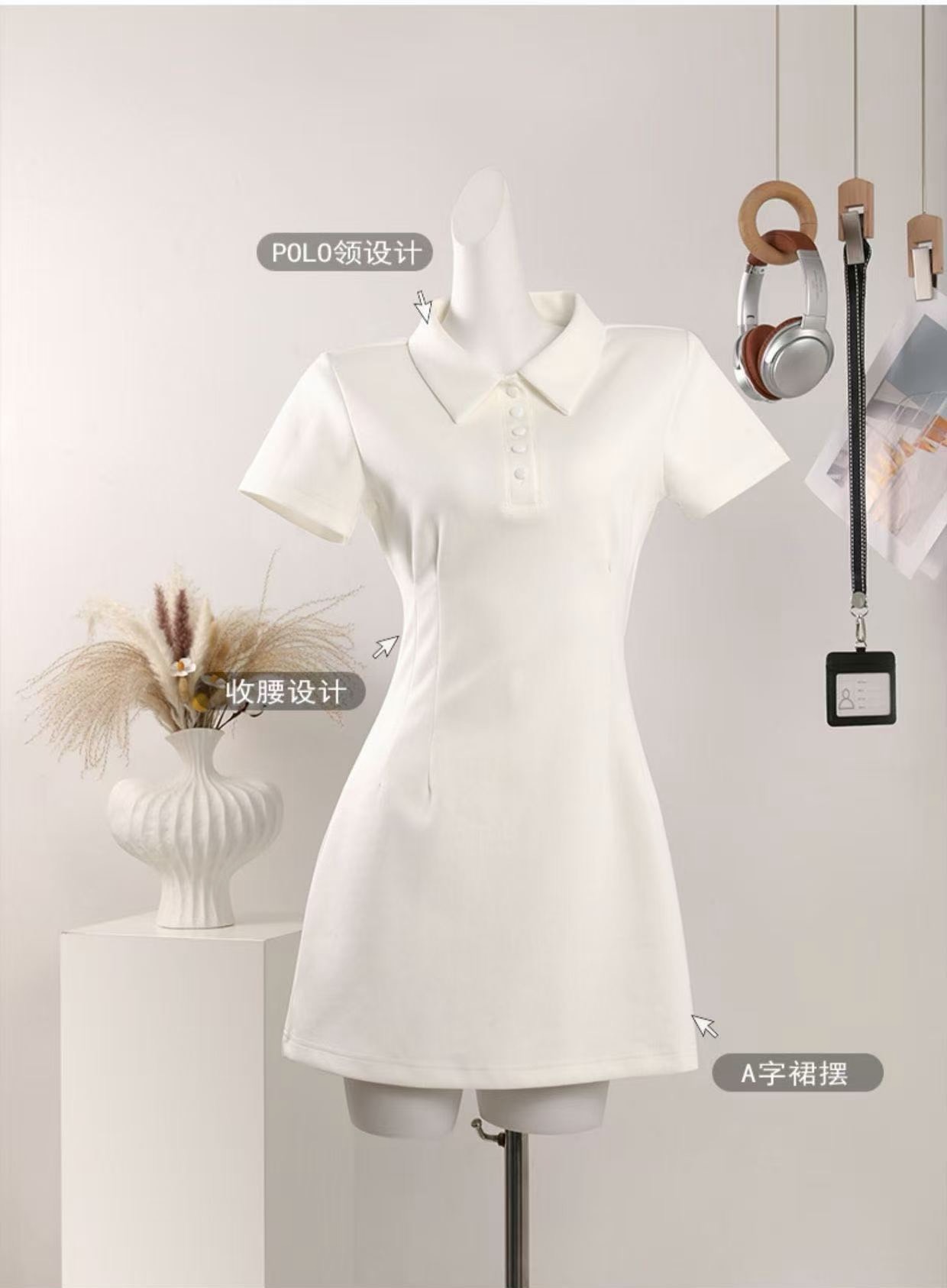
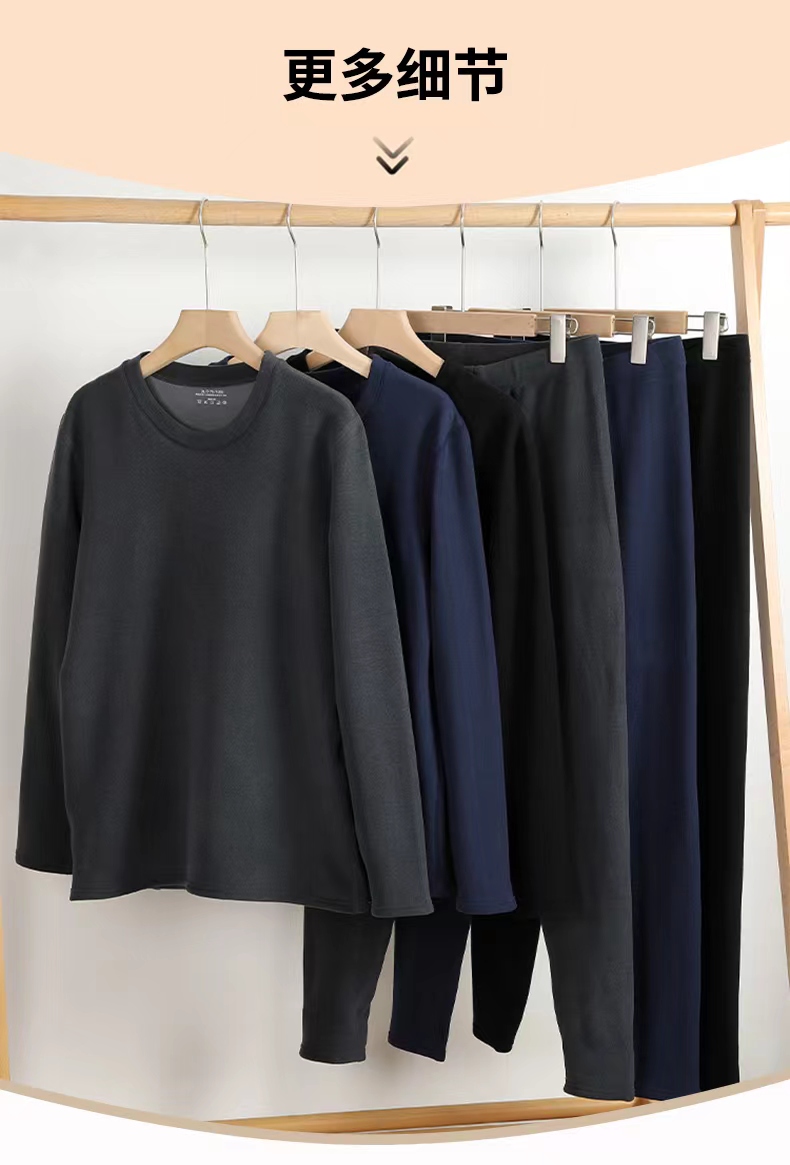
Chenqi Clothing is based in Yiwu, China, supplying women's dresses, tops, wide-leg bottoms, activewear and thermal sets. MOQ from 100 pieces per style with mixed colours and sizes, confirmed on RFQ.
Sources: China General Administration of Customs (September 2026 export data, released October 15); Canton Fair official site (140th session dates and Phase 3 floor plan); USTR and CBP notices (CSMS 69326983) as summarised by FashionTrendWire (October 15, 2026); Federal Register notice of October 7, 2026; European Commission DG TAXUD (EU low-value consignment duty).